



















超临界二氧化碳输送金属加工液的可行性研究 (提交至《制造过程杂志》的技术说明)
Feasibility of Metalworking Fluids Delivered in Supercritical Carbon Dioxide
(TECHNICAL NOTE SUBMITTED TO JOURNAL OF MANUFACTURING PROCESSES)
Andres F. Clarens1, Kim F. Hayes1, Steven J. Skerlos2
1. Department of Civil and Environmental Engineering
2. Department of Mechanical Engineering
University of Michigan, Ann Arbor, USA
Abstract
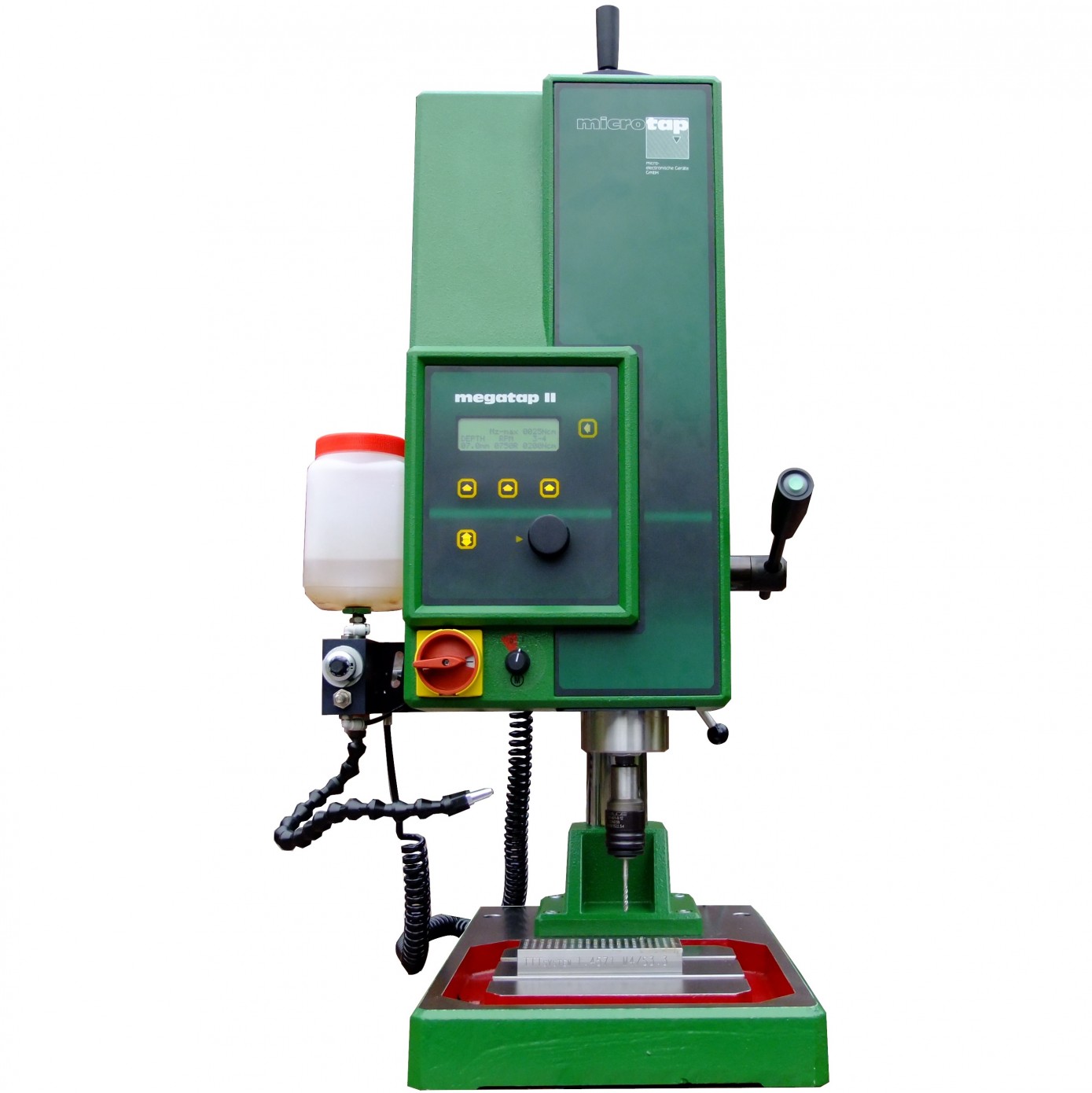
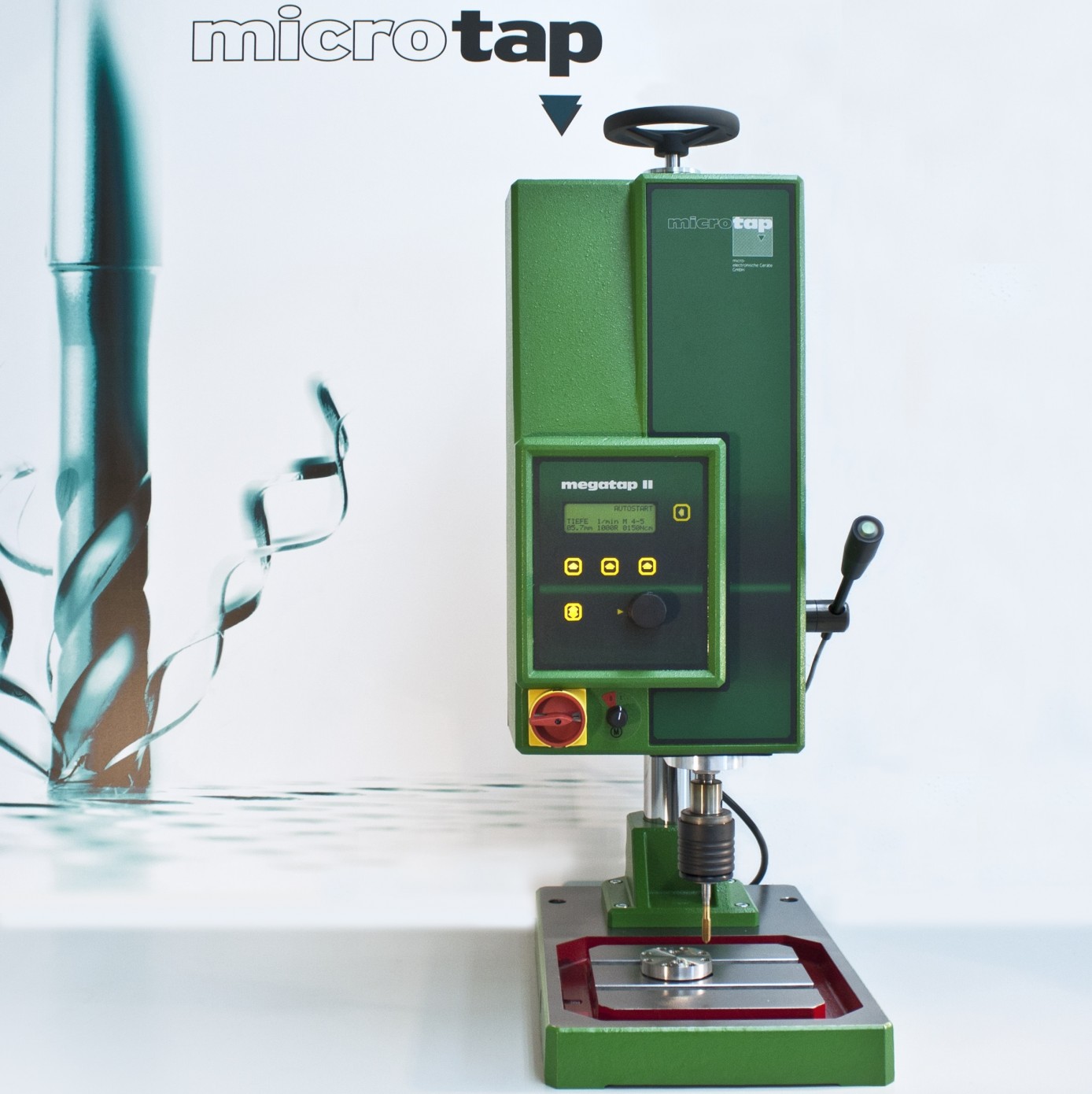
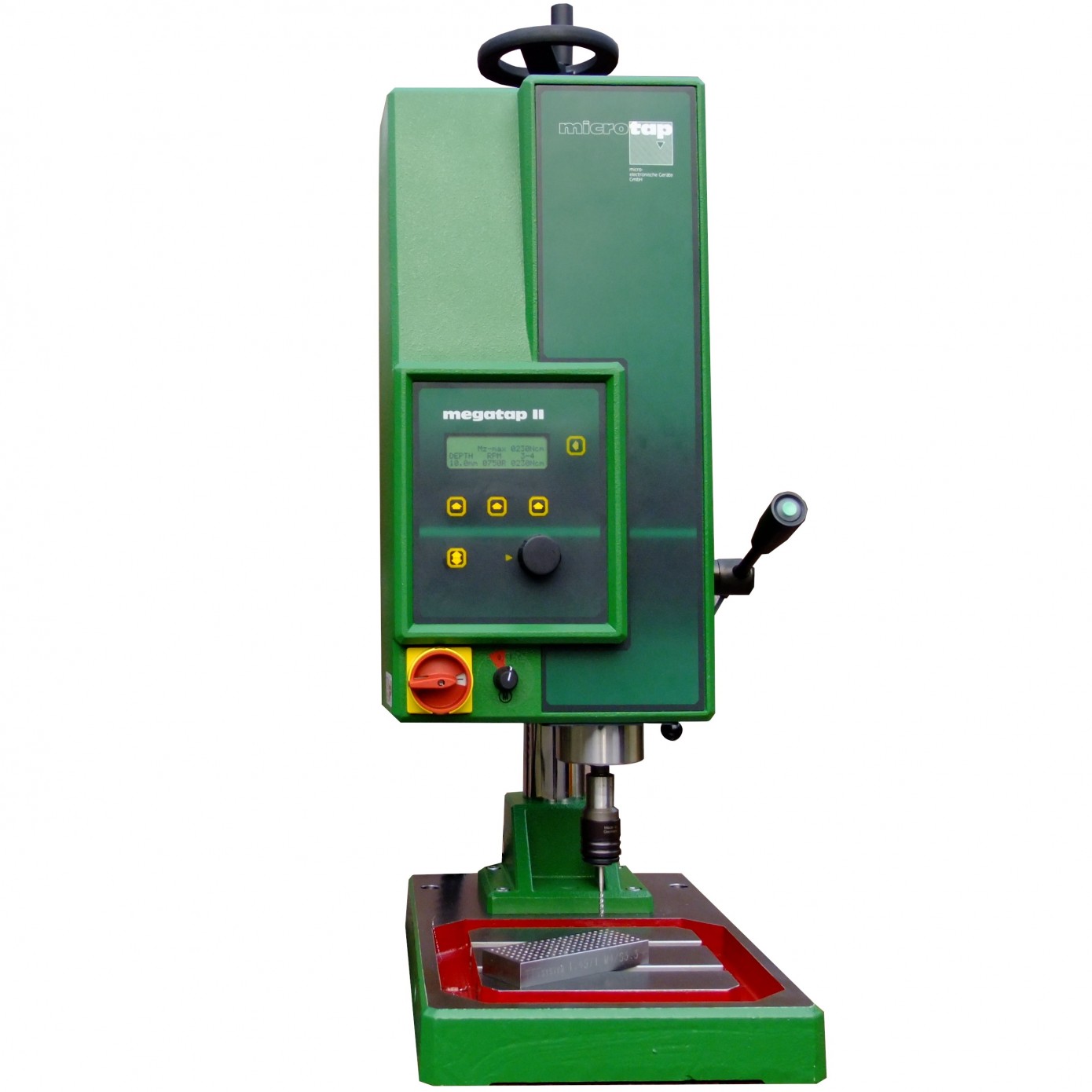
This paper presents a new method to lubricate, cool, and evacuate chips in metalworking operations using supercritical carbon dioxide (scCO2). Water-based and straight oil metalworking fluids (MWFs) are currently being used to perform these functions even though they are characterized by high economic, occupational health, and environmental costs. Carbon dioxide above its critical temperature and pressure is a finely tunable solvent that dissolves certain oils, creating the possibility of using scCO2 to carry lubricants to the cutting zone in minimal and precise quantities, while significantly reducing the occupational health and environmental risks associated with MWF systems. In the proposed process, an oil-in-CO2 dispersion is sprayed out of a nozzle at high speed and pressure to deliver oil andform dry ice near to the cutting zone. The rapid expansion of the CO2 leads to cooling at cryogenic temperatures, and the combination of high pressure and low surface tension provides access to interstitial spaces that are inaccessible to conventional MWF oil and water jets. Research with the tapping torque test shows that soybean oil dissolved in scCO2 performs significantly better than straight soybean oil, even when less oil is applied, meaning that scCO2 provides additional benefit to the tapping process. This soybean oil-in-scCO2 MWF also performed better than straight petroleum mineral oil and emulsions of soybean oil or petroleum oil. Scanning electron microscopy images of the chip surfaces produced by the tapping experiments illustrate that higher tapping torque efficiency correlates well with less frictional wear.
Introduction
Metalworking fluids (MWFs) are used extensively in metal cutting processes as lubricants and coolants. They are typically oil-in-water emulsions where the oil lubricates and the water cools the cutting zone. MWF emulsions of oil and water create environmental and occupational health problems that result from microbial growth, biocides used to control microbial growth, additives used to control foam and corrosion, and from the metals and other organic constituents that become entrained in the fluids during use. MWF maintenance systems are expensive, energy consuming, and typically cannot prevent MWF degradation and disposal due to factors such as microbial attack and hardwater ion accumulation [1,2]. These environmental and health concerns could be eliminated if manufacturing process lubrication could be provided in minimal and precise quantities without using water as the delivery medium. While straight oils are a possible alternative, they do not have adequate thermal conductivity for high speed machining applications and are well-known to possess their own health, safety, and environmental concerns [3,4].
Supercritical carbon dioxide (scCO2) is being used increasingly in industrial applications as an alternative to traditional organic, halogenated, and aqueous solvents [5,6]. The supercritical temperature and pressure of CO2 (Tc =
Clarens et al. 2005
超临界二氧化碳输送金属加工液的可行性研究
(提交至《制造过程杂志》的技术说明)
安德烈斯·F·克莱伦斯1 、金·F·海斯1 、史蒂文·J·斯克洛斯2
1. 土木与环境工程系
2. 机械工程系
美国密歇根大学安娜堡分校
摘要
本文提出了一种利用超临界二氧化碳(scCO2 )在金属加工过程中润滑、冷却和排出切屑的新方法。尽管水基和直油金属加工液(MWFs)具有较高的经济成本、职业健康风险和环境代价, 目前仍被用于实现这些功能。高于临界温度和压力的二氧化碳是一种可精细调节的溶剂,能够溶解特定油类,这为使用scCO2 以最小且精确的量将润滑剂输送到切削区域提供了可能,同时显著降低了与MWF 系统相关的职业健康和环境风险。在所提出的工艺中,油包CO2 分散液通过喷嘴以高速高压喷射,将油液和干冰输送至切削区域附近。CO2 的快速膨胀导致低温冷却,而高压与低表面张力的结合使得传统MWF 油水喷射无法触及的间隙空间得以进入。通过挤榨扭矩测试进行的研究表明,溶解在scCO2 中的大豆油性能显著优于纯大豆油,即使使用较少油量时也是如此,这意味着scCO2 对榨榨工艺具有额外增效作用。这种scCO2 中的大豆油MWF 也优于纯矿物石油油以及大豆油或石油油乳化液。通过扫描电子显微镜观察榨榨实验产生的油片表面图像可以发现,较高的榨榨扭矩效率与较低的摩擦磨损程度呈现良好相关性。
引言
金属加工液(MWFs)作为润滑剂和冷却剂被广泛应用于金属切削工艺中。这类液体通常采用水包油乳化体系,其中油相起到润滑作用,水相则对切削区域进行冷却。 MWF 油水乳化体系会引发环境与职业健康问题,这些问题主要源于微生物滋生、用于抑制微生物生长的杀菌剂、控制泡沫与腐蚀的添加剂,以及使用过程中混入流体中的金属成分及其他有机物质。 MWF 维护系统不仅成本高昂且能耗巨大,通常无法有效防止 MWF 劣化与处置,这与微生物侵蚀、硬水离子积聚等因素密切相关[1,2] 。若能采用无需水作为输送介质、以最小化且精准剂量实现润滑的生产工艺,这些环境与健康隐患便可彻底消除。虽然直链油类可作为替代方案,但其导热性能不足以满足高速切削加工需求,且众所周知这类油品本身存在健康安全与环境方面的潜在风险[3,4]。
超临界二氧化碳(scCO2 )正越来越多地被用于工业应用,作为传统有机溶剂、 卤代溶剂和水性溶剂的替代品[5,6] 。二氧化碳的超临界温度和压力of CO2 (Tc=
以下为该论文全文下载阅读(中英对照版本)
 University_of_Michigan_using_TTT_billingual.pdf
